Inside
Medical AI
Medical AI
Step 1 of 3
It reads your data
Your vitals, lab results, scans — and the notes your doctor typed about you.
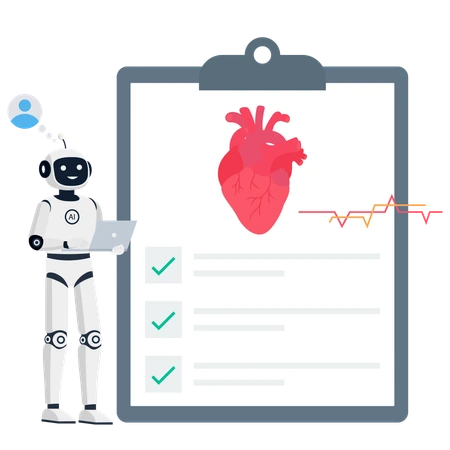
Whatever is missing from your file is invisible to it.




What it is.
What it cannot do.
What it means for your care.
AI is already woven into health. Sometimes you can see it. Sometimes it works invisibly — and still shapes real outcomes.
Adapted from OECD/European Union (2026), p. 5.
Your vitals, lab results, scans — and the notes your doctor typed about you.
With millions of past patients. That is statistics, not understanding — it computes what is most likely.

A risk score, a plain-language letter, an appointment sooner, a possible diagnosis.
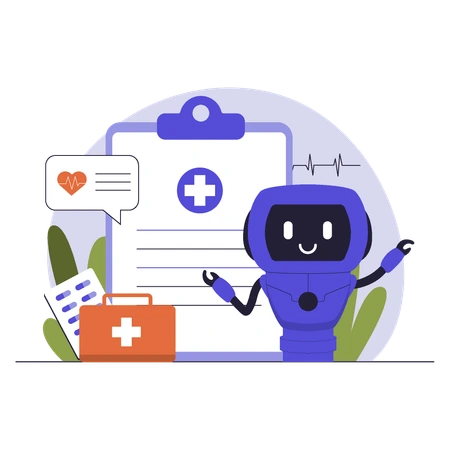
A machine-based system that … infers, from the input it receives, how to generate outputs such as predictions, content, recommendations or decisions that can influence physical or virtual environments.
Definition of AI in the EU AI Act (European Parliament, 2024), quoted in OECD/European Union (2026), p. 6.
creates new content based on existing materials in its training data, powering tools like chatbots, coding assistants and image generators.
OECD/European Union (2026), p. 6, “Types of AI”.
is trained to detect patterns in existing data and to forecast what is likely to happen next.
It warns your team that you may need to be seen sooner than planned.
OECD/European Union (2026), p. 6, “Types of AI”.
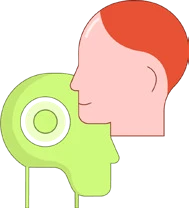
“AI systems use data to produce outputs that are statistically likely to meet an objective or reward. These systems do so without awareness, understanding or intent.”
OECD/European Union (2026), p. 7, citing Robb & Mann (2025).
Engage, create, manage, shape — four habits that keep you in charge.

Domains of the AILit Framework: OECD/European Union (2026), p. 8, Figure 1.
“Become a critical and responsible participant in a world marked by AI”

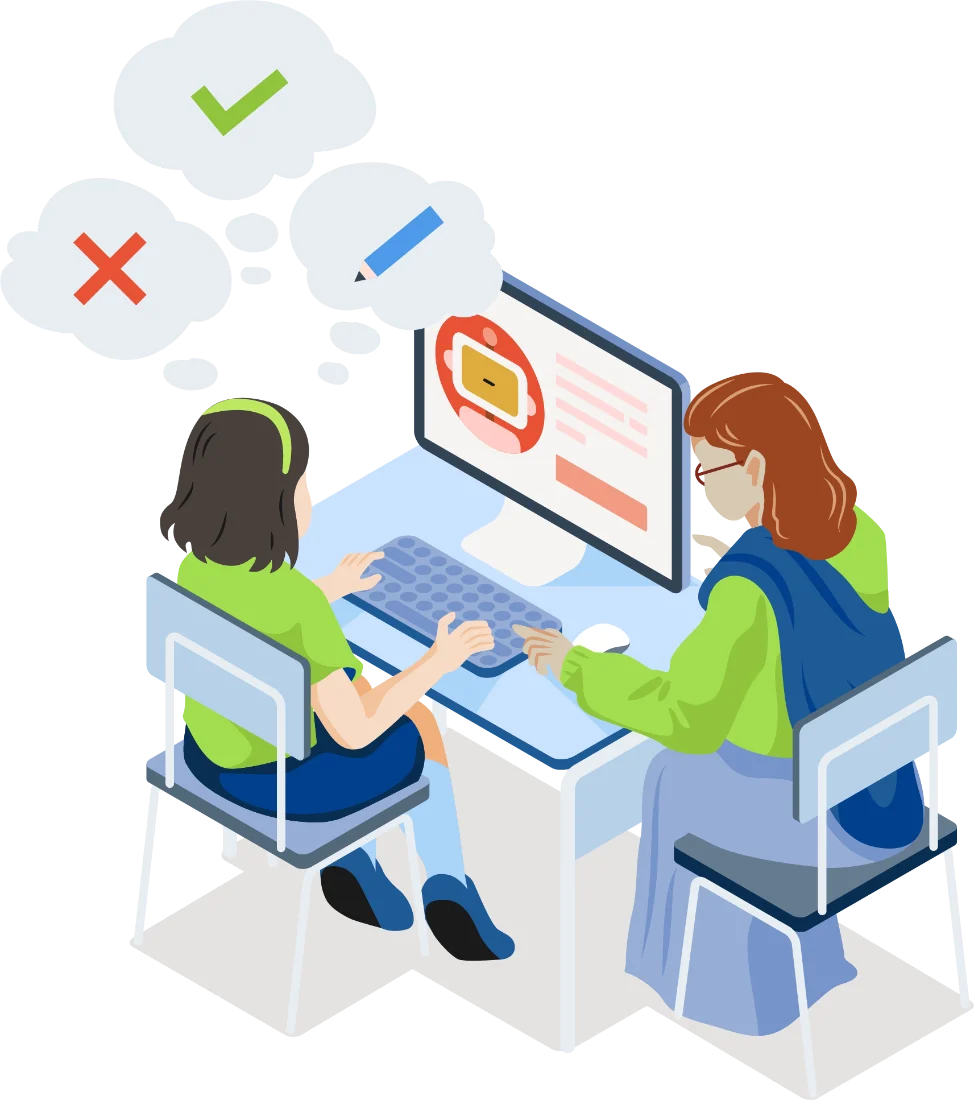
Notice when AI is part of your care — and ask.
Competence: “Evaluate whether AI outputs should be accepted, revised or rejected.”
“Use AI as a creative partner while maintaining human agency”

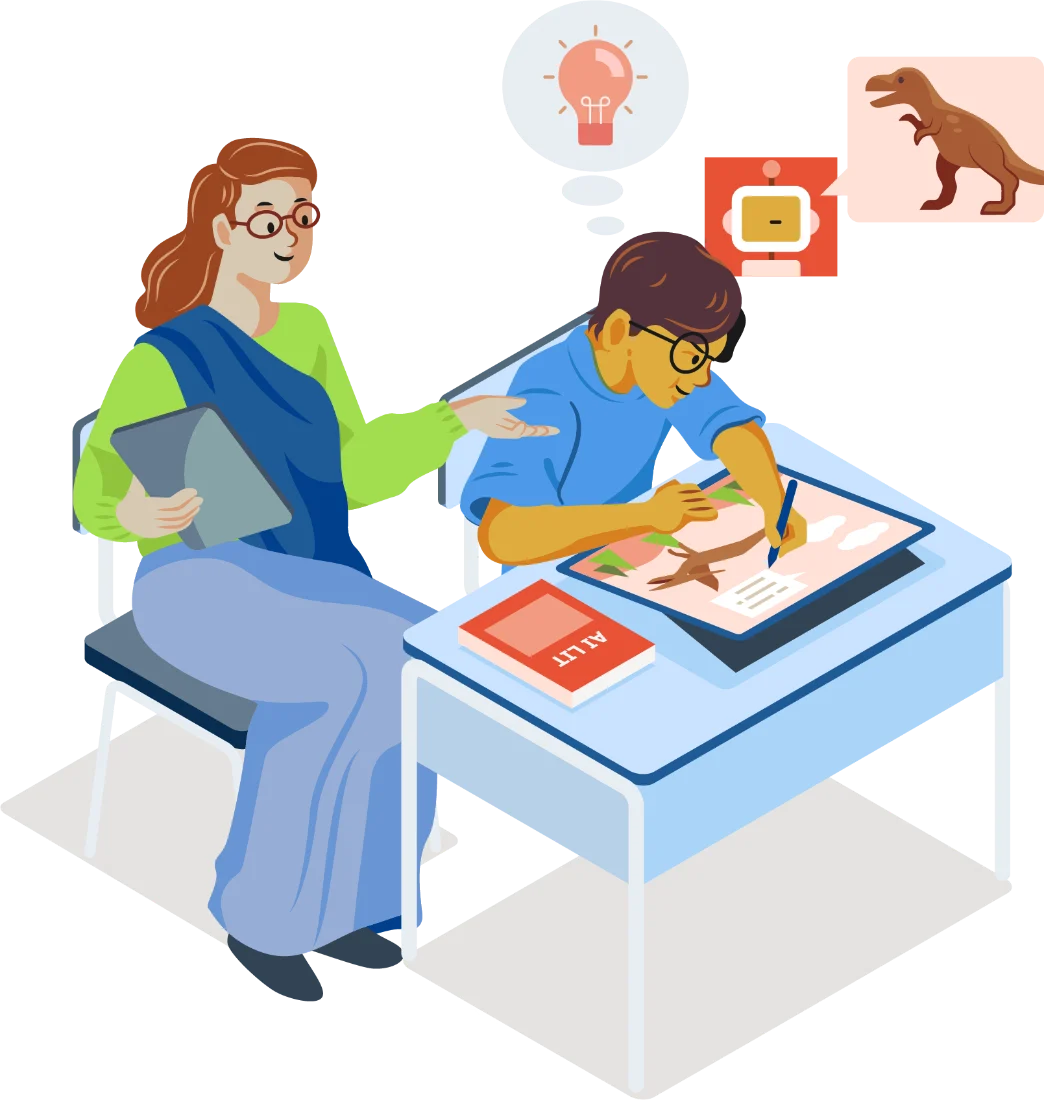
Use it to prepare your questions, in your own words.
Competence: “Direct generative AI systems to elicit feedback, refine results and support reflection.”
“Divide work intentionally between humans and AI”


Let it handle the paperwork. Keep the decisions human.
Competence: “Decide whether to use AI systems based on the nature of the task.”
“Improve AI systems to reflect human values”


Say when it gets you wrong. Ask who it was trained on.
Competence: “Investigate how an AI system is intended to work, whom it is designed for and what its limitations are.”
Fairness, openness, your data. Three questions to ask when AI is part of your care.
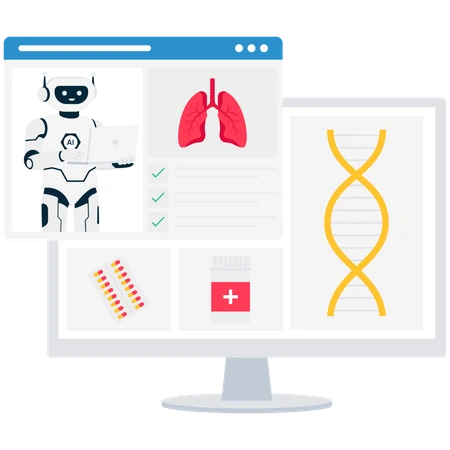
If it learned mostly from people unlike you, it can read you wrong — and no one says so.
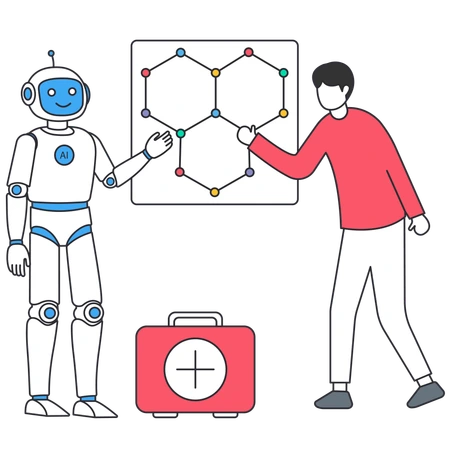
Bias inherently exists in AI systems, which can also reflect societal biases embedded in training data or algorithm design.
OECD/European Union (2026), p. 20, Knowledge 2.5.
You are allowed to ask: what does it do, who was it built for, where does it fail?

Ensuring transparency, explainability, and intelligibility.
WHO principle, in PAHO/IDB (2024), p. 38.
Your medical record is the most personal data you own. Ask who sees it, and for how long.

Privacy, confidentiality, and security of data use must be foundational to every AI development.
PAHO/IDB (2024), p. 37.

“Embracing AI in public health is a collective effort to ensure no one is left behind.”
Dr. Jarbas Barbosa, Director, PAHO/WHO, in PAHO/IDB (2024).
Return to the surveyIllustrations and quoted excerpts are reproduced or adapted from OECD/European Union (2026), Empowering learners for the age of AI: An AI literacy framework for primary and secondary education, OECD Publishing, Paris, https://doi.org/10.1787/65cd27d4-en, licensed CC BY 4.0. This is an adaptation of an original work by the OECD and the European Union. The opinions expressed and arguments employed in this adaptation should not be reported as representing the official views of the OECD, its Member countries or the European Union. Illustrations by Abiyasa Adiguna. Health excerpts: PAHO/IDB (2024), Artificial intelligence in public health: Readiness assessment toolkit, Washington, D.C. Research stimulus for educational purposes; not medical advice.